Stores




What’s the Difference Between Road and Trail-Running Shoes?
If you’ve never really thought about the difference between a road shoe and a trail shoe, just pick them up side by side. It’s immediately obvious. One looks built for smooth miles, the other like it’s ready to work it’s way through a muddy ravine.
But what do those differences actually mean once you’re out the door? And more importantly, which one makes sense for how—and where—you actually run? Do you need both, or just one that can handle a bit of everything? What’s the deal with Gore-Tex?
Let’s break down what separates road running shoes from trail running shoes, and where each one earns its stripes.
The Outsole: It’s Starts Here
The first thing you’ll notice is the outsole (the bottom of the shoe). That’s where everything starts.
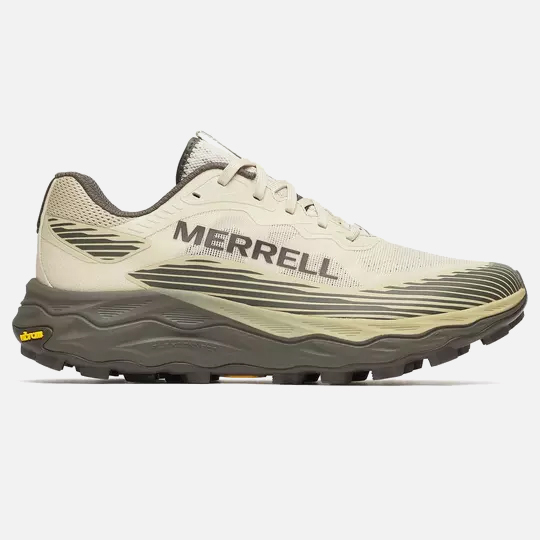
Trail shoes come armed with lugs: those chunky, toothy bits of rubber designed to grip onto mud, rocks, roots, and whatever else gets in your way. The size and pattern vary depending on the terrain, so it’s worth thinking about where you actually run before going all-in on something overly aggressive.
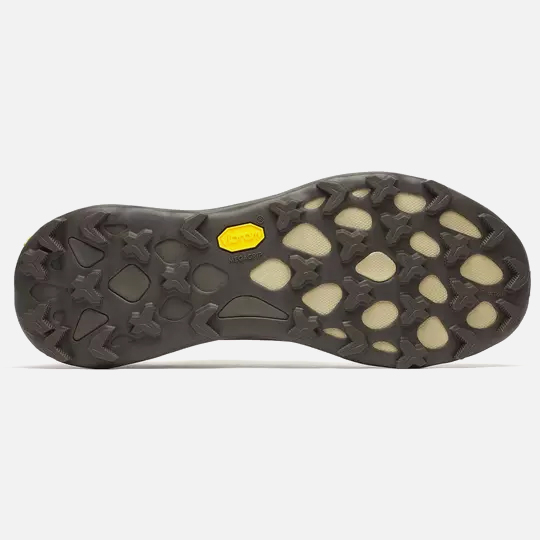
The lugs on the bottom of Merrell’s Agility Peak 6 Trail Running Shoe
They also tend to use a slightly softer rubber, which helps the shoe flex and “grab” uneven ground. The trade-off: that softer rubber wears down faster if you’re logging most of your miles on pavement. Great in the woods, but not so much on sidewalks.
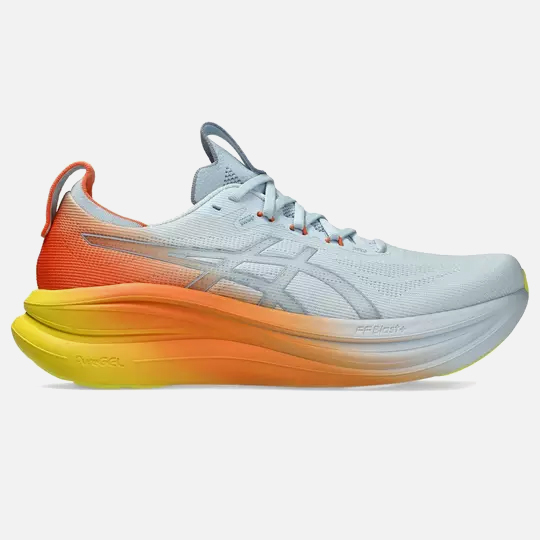
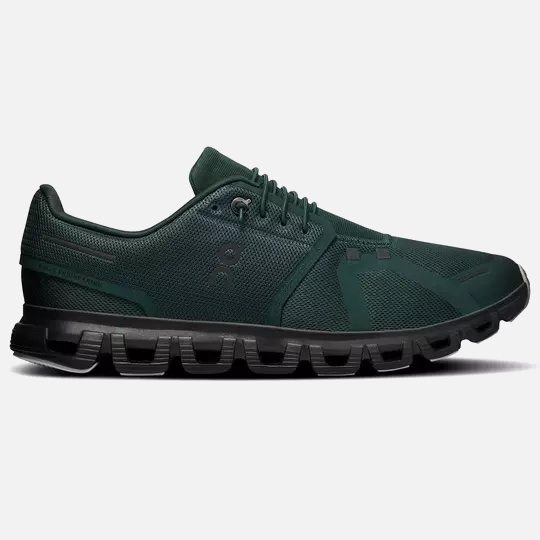
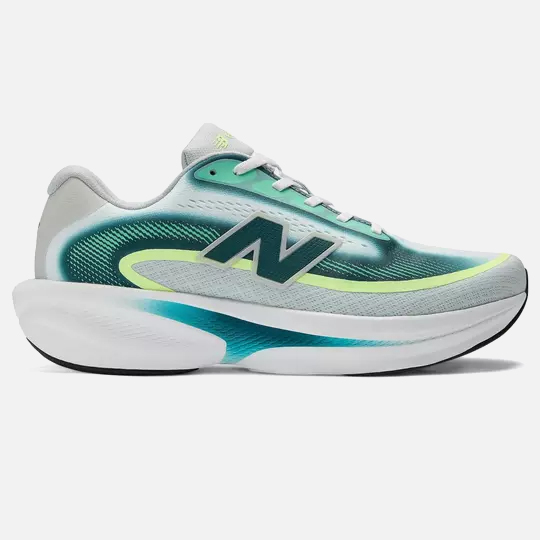
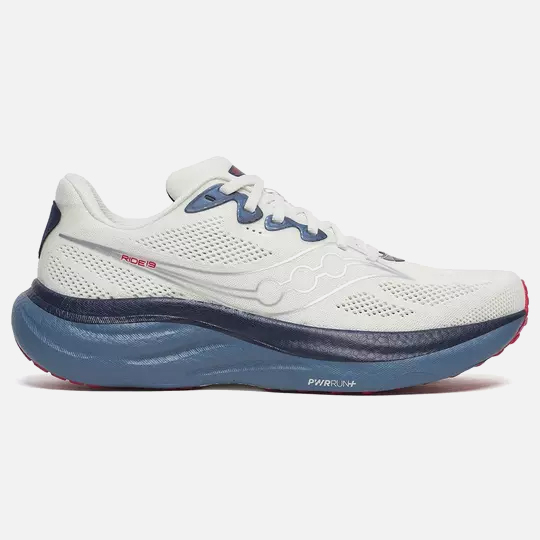
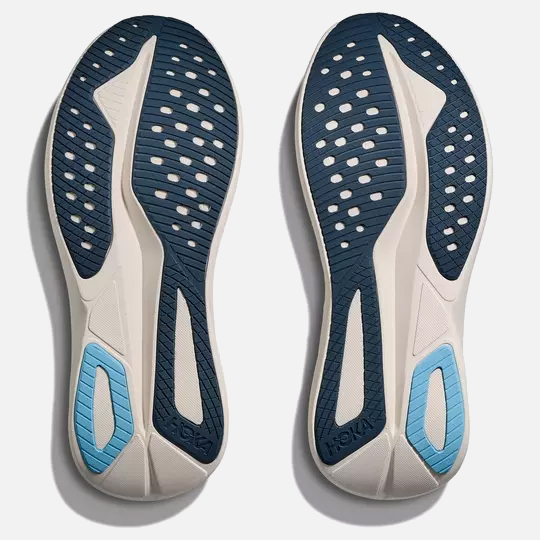
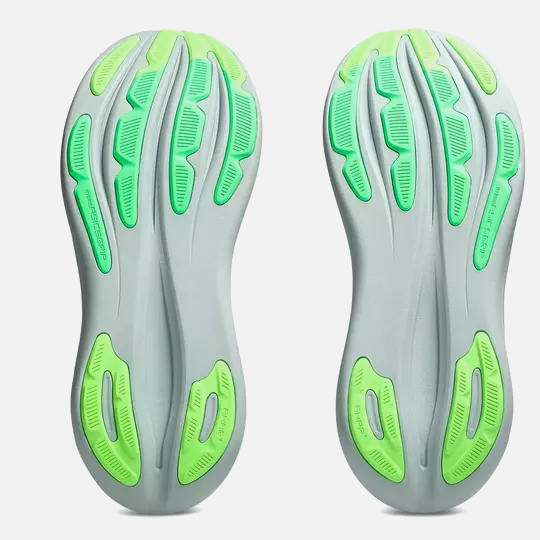
Road shoes, by contrast, keep things smooth and relatively flat. The outsole is built for consistency and efficiency on hard, even surfaces (sidewalks, bike paths, long stretches of road) with a firmer rubber that holds up better and helps you glide through miles of pavement.
They also tend to be lighter and more cushioned, designed to absorb repetitive impact and keep things comfortable when you’re logging steady miles on predictable terrain.
The Upper: Do I Need GOR-TEX?
Once you move past the sole, the upper is where things get a little more situational—especially in spring. This is where Gore-Tex (or other waterproof membranes) enters the chat.
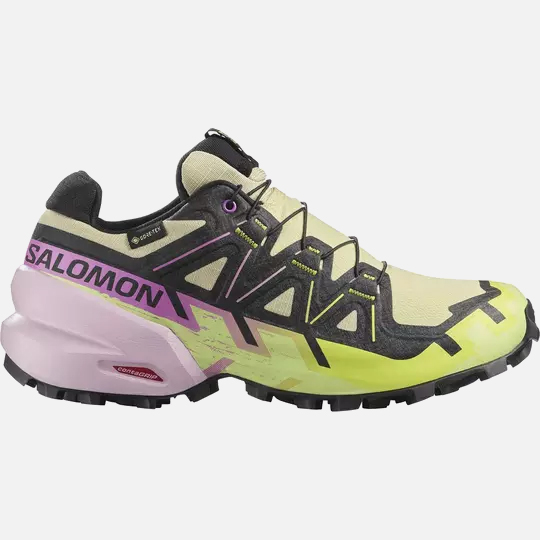
On paper, it sounds like a no-brainer: they keep water out, stay dry, and it’s problem solved. But it’s a bit more nuanced than that. Gore-Tex shoes tend to make the most sense for very specific conditions—cold, wet runs where you’re dealing with puddles, slush, or steady drizzle. For those days, they can be a lifesaver.
But as a daily driver? That’s where things get trickier.
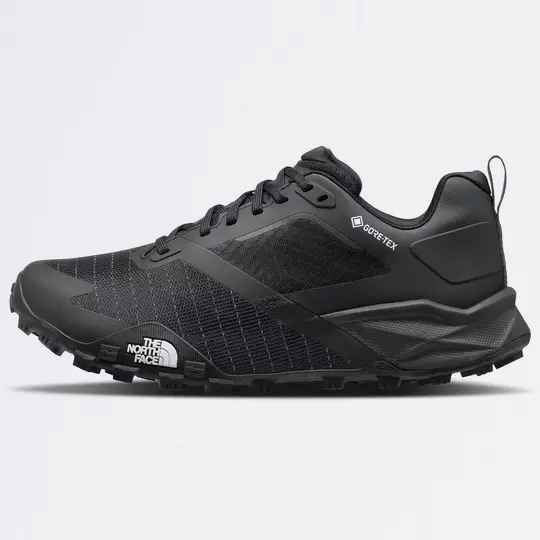
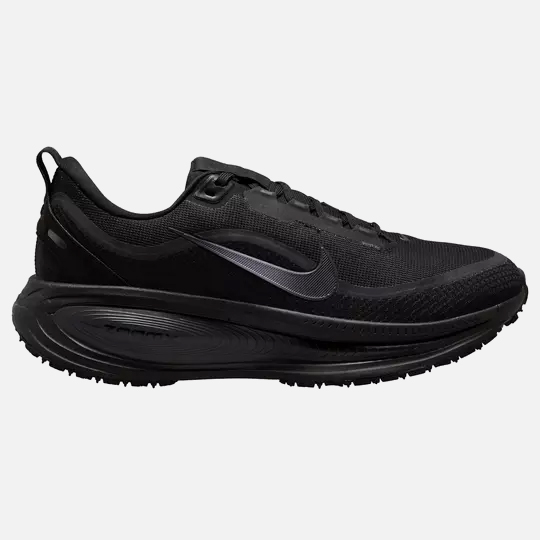
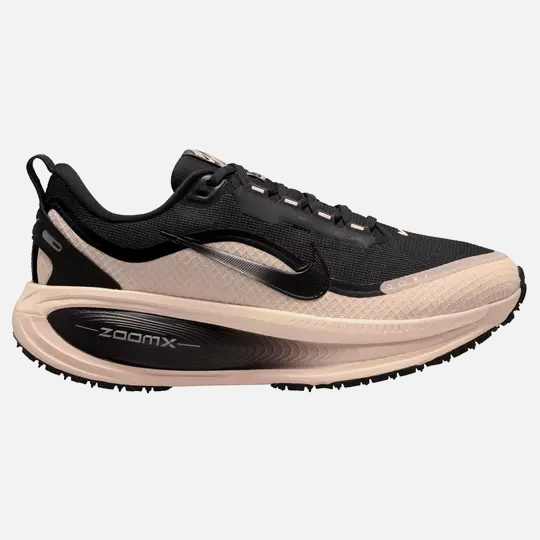
The Case for (and Against) Gore-Tex/Waterproof Shoes
Gore-Tex (and similar waterproof membranes) does exactly what it’s supposed to do: it creates a barrier between your foot and whatever you’re running through. Step in a puddle, cut across wet grass, get caught in a light rain and it keeps that external moisture out and buys you a more comfortable run, at least for a while.
That added protection also brings a bit of insulation. On colder, damp days, a waterproof shoe can feel noticeably warmer and more shielded from the elements, which is part of the appeal early in the season.
But that barrier works both ways. Just like your Gore-Tex jacket, waterproof uppers tend to be a little less flexible, a touch heavier, and—most noticeably—less breathable. And if water does find its way in from the top (which it often does), it’s now along for the ride.
They’re useful without a doubt—especially on cold, wet days—but they’re not always the everyday solution.
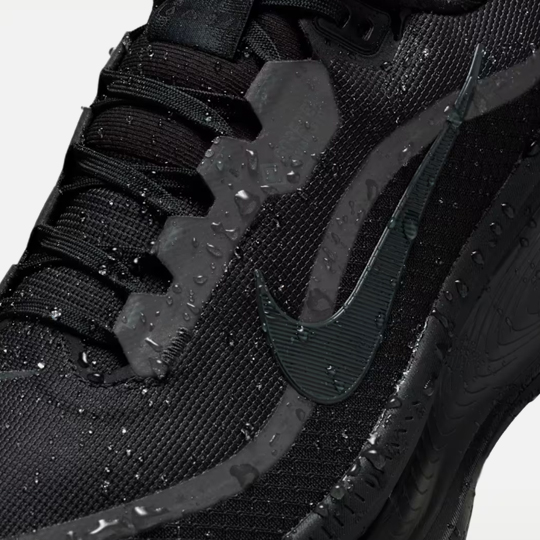
Breathability vs. Protection
This is where things get real: breathability versus protection. This is the trade-off.
Non-waterproof shoes are lighter, more breathable, and dry faster. Yes, your feet might get wet, but they’ll also dry out quickly, especially as temperatures start to climb.
Waterproof shoes, on the other hand, keep you dry longer, but trap heat and moisture inside. That can be great in early spring, but less so when things warm up, and your feet start to cook.
Most people find that the move is to treat Gore-Tex as a specialty option. Reach for it on truly wet, miserable days, but stick to breathable uppers for everyday runs.
Who Are You As A Runner?
So which shoe is right for you? Before you get too deep into specs and materials, it’s worth taking a step back and asking a simpler question: what does your run actually look like? For most people, it’s not a pristine trail or a perfectly dry stretch of pavement—it’s a mix. Sidewalks, park paths, the odd gravel cut-through, maybe a muddy patch if you’re cutting across the grass to save a minute. If that sounds familiar, you’re likely a road runner who occasionally strays, not the other way around.
That distinction matters. If most of your miles are on pavement, a cushioned road shoe will carry you further, more comfortably. If your runs regularly take you onto uneven, softer ground—or you’re slipping around more than you’d like—it might be worth leaning into something with more grip.